Microsoft Price Increase: EA Customers Face 12% Hike in 2025.

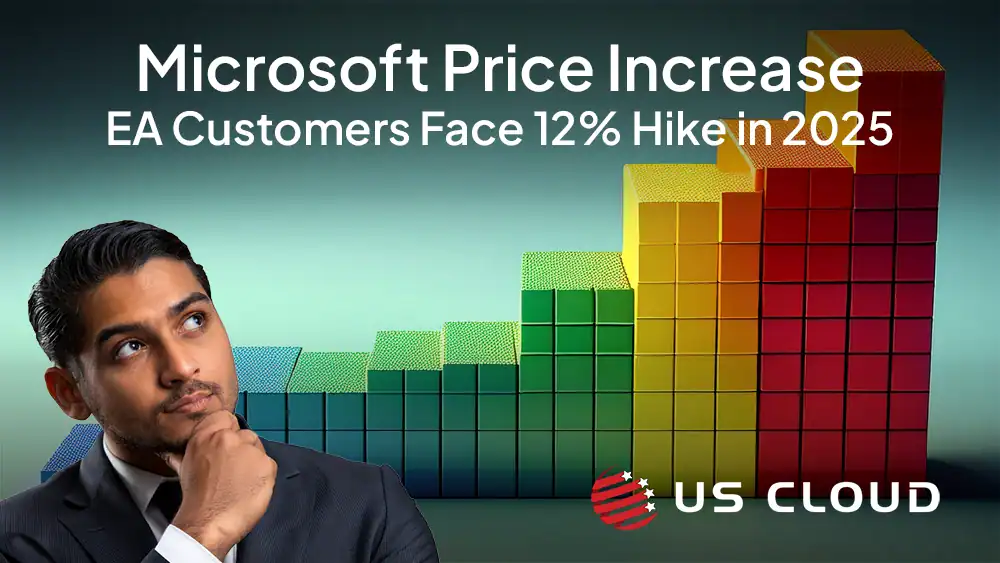
On November 1, 2025, Microsoft will implement one of the most significant pricing changes in the company’s enterprise history. All Enterprise Agreement (EA) pricing tiers (A–D) will be eliminated, aligning cloud license prices with the rates published on Microsoft.com—effectively forcing EA Level A pricing for everyone.
This move will raise costs for many enterprise customers by between 6% and 12%, depending on each organization’s current tier, and will also inflate Unified Support bills, which are calculated as a percentage of a company’s Microsoft spend.
For enterprise IT and procurement teams, this change is a wake-up call. With only 2.5 months’ notice before the change takes effect, organizations must act quickly to secure current rates, optimize license use, and explore third-party support options like US Cloud, which can cut Microsoft Unified Support costs by up to 50%.
Executive Summary
- Starting November 1, 2025, Microsoft will remove all EA pricing tiers (A–D), raising cloud license costs by 6–12% for most enterprises.
- The change also triggers proportional increases in Unified Support costs, which are tied to total Microsoft spend.
- Procurement and IT leaders have limited time to renew early, optimize licenses, and secure third-party support quotes to offset the impact.
- US Cloud helps enterprises reduce Microsoft Unified Support costs by up to 50%, with 80% of organizations saving money just by requesting a quote.
What’s Changing About Microsoft EA Prices and When
Microsoft announced it will eliminate EA pricing tiers for cloud services (Microsoft 365, Dynamics 365, Azure, etc.) effective November 1, 2025.
- EA Level A will become the universal baseline.
- The change does not apply to on-premises licenses such as SQL Server or Windows Server.
- The notice period is short—only about 75 days—leaving procurement teams little time to adjust budgets and approvals.
In practice, this means large enterprises that once benefited from volume-based discounts will now pay the same per-user rate as smaller customers, erasing the advantage of scale that defined Microsoft’s EA model for decades.
How Big Is the Financial Hit?
According to Info-Tech Research Group, the financial impact will vary by current EA level:
- Level D: +12%
- Level C: +9%
- Level B: +6%
In a sample case of a 50,000-user M365 E5 EA, removing tier discounts results in a $323,000 annual cost increase — nearly $1 million over a three-year term.
Because Unified Support is tied to total Microsoft spend, organizations should also expect their support costs to rise proportionally.
Why Microsoft Is Making These Changes
While Microsoft’s revenues are at record highs ($281.7B in FY25), its AI infrastructure costs and capital expenditures have ballooned, surpassing $70B in FY25 and expected to exceed $80B in FY26.
The company’s AI investments— including Copilot and Azure AI—have yet to deliver the anticipated ROI, even as Satya Nadella noted a $13B AI revenue run rate, up 175% year-over-year, per Info-Tech.
Simply put: Microsoft is under pressure to increase average revenue per user (ARPU) while offsetting its massive AI-related expenses. Removing EA discounts is a quick way to boost per-user margins across its global enterprise base.
The Procurement and IT Impact
This policy shift fundamentally alters how enterprise customers negotiate with Microsoft:
- No more programmatic volume discounts. All renewals will start from list price.
- Compressed negotiation windows. Procurement teams have even less time than before to secure pre-change renewals.
- Higher Unified Support bills. Since Unified is priced as a percentage of licensing costs, a 12% license increase can mean a 12%+ support increase.
- Budget chaos. For global enterprises, these combined hikes could total millions in unplanned annual spend.
Immediate Actions for EA Customers
To mitigate the impact, Info-Tech and industry experts recommend taking these five steps now:
- Request to Renew Early. Push Microsoft to approve an early EA renewal to hopefully lock in current pricing before November 2025.
- Review Usage and Downgrade. Evaluate license utilization—downgrade from E5 to E3 where advanced features go unused.
- Diversify Your Stack. Reassess non-core Microsoft workloads that could move to alternative vendors.
- Secure a Third-Party Support Quote. Unified Support costs rise automatically—but third-party options like US Cloud can cut those bills in half.
- Escalate Concerns. Communicate dissatisfaction through your Microsoft account team; market pressure has historically caused Microsoft to reconsider policy changes.
The US Cloud Advantage
When Microsoft raises prices, Unified Support customers feel it twice: once in license costs and again in support renewals.
That’s where US Cloud delivers immediate relief:
- Save 50% compared to Microsoft Unified Support.
- 80% of organizations lower their Unified costs simply by requesting a quote.
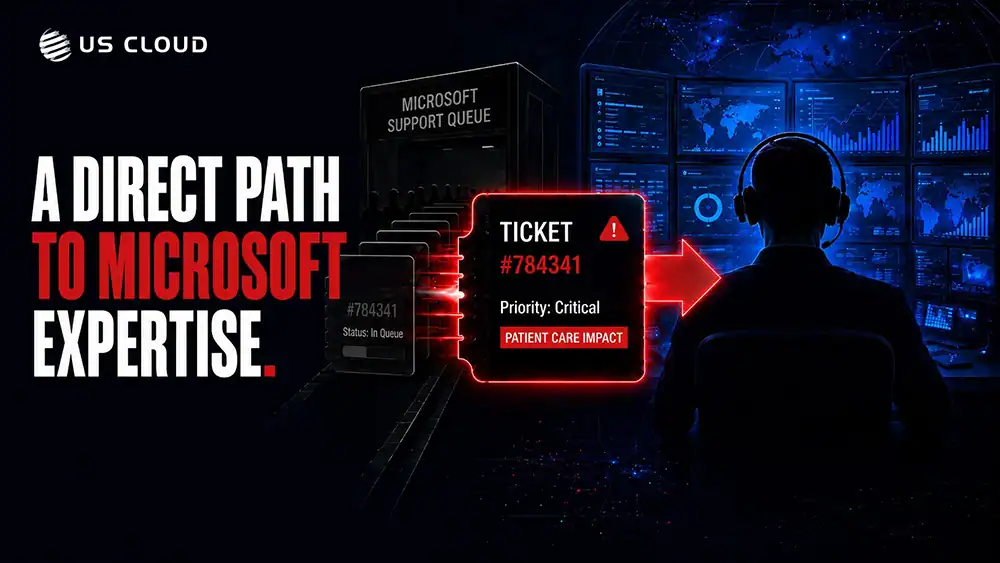
- S.-based, Tier 3 engineers provide 24/7 enterprise-grade support for the same Microsoft stack (without having to go through layers of junior engineers, repeating the conditions of your ticket until you reach an experienced team member).
- Predictable pricing that won’t rise just because Microsoft costs do.
With Microsoft’s November 2025 price increase looming, getting a US Cloud quote is one of the simplest and most impactful cost-control steps an IT or procurement leader can take.
Strategic Takeaway
Microsoft’s removal of EA pricing tiers represents more than a policy change—it’s a reset of enterprise licensing economics.
The bottom line:
- Act early to secure current pricing.
- Evaluate every license and support contract.
- Don’t accept higher Unified Support costs as inevitable.
Even if you’re not ready to switch, getting a quote from US Cloud can help you strengthen your negotiation position and potentially reduce your Microsoft costs before the November 2025 deadline. Book a call with US Cloud team now to evade the impending double price jump next month.

Partner-Delivered Microsoft Support: A Unified Support Alternative for Enterprises
The Channel Support Spiral: How Microsoft Partners Can Protect Margin as Unified for Partner Rolls Out