Data Sovereignty & Secure Microsoft Support: A Reality Check.


If you rely on Microsoft Unified Support, you’re likely asking a simple question: Can we get fast, expert help without putting our data at risk? Recent reporting says that the answer to that question is no longer a given—especially for public-sector and regulated workloads.
Executives don’t just fear downtime—danger can also arise where support actually happens: who touches tickets, logs, and live sessions, and under which country’s laws. ProPublica found Microsoft used China-based engineers across multiple U.S. agencies (with “digital escorts”), and while Microsoft moved to halt this for DoD systems, questions remain for other environments.
US Cloud tracks these developments for CIOs/CISOs and summarizes why jurisdiction and support artefacts (tickets, dumps, session recordings) belong in your risk model—not just production data. This post is for organizations looking for secure Microsoft support without ambiguity about staffing locations, sub-processors, or cross-border access.
Anyone who’s ever pasted a log into a Sev-A ticket at 2 a.m. knows support a vulnerable spot is where secrets or privileged information potentially leak. We’ll show how to keep help desks helpful and sovereign—what to ask your vendor, and what to lock down today.
Executive Summary
- Investigative reporting in 2025 revealed Microsoft used China-based engineers to help maintain sensitive U.S. government systems, supervised remotely by lower-paid “digital escorts.”
- After the reporting, Microsoft said it stopped using China-based engineers for Department of Defense (DoD) support, but questions remain for other federal and commercial workloads.
- At risk is jurisdictional exposure—which country’s laws could compel access to your support artefacts and sessions—regardless of the nationality of the supported organization.
- China’s National Intelligence Law (Article 7) and related measures heighten compelled-access risk when support is delivered from China, making data sovereignty and location of support staff a compliance material issue.
- Support naturally generates sensitive artefacts that can include secrets or regulated data. Many programs treat production data carefully but overlook these support data flows.
- Act now: demand security details from your vendors. Industry commentary has already begun charting these alternatives.
Enterprise Unified Support 101: Where Your Data Actually Goes
When you open a Sev A ticket, share logs, or escalate a hotfix, by necessity you often create or expose:
- Ticket & chat content that may include configurations, IPs, or credentials pasted under time pressure.
- Diagnostic uploads (logs, memory dumps, traces) that can contain keys, tokens, or PII.
- Remote sessions (screen-share/JIT admin) that grant elevated access for troubleshooting.
- Telemetry & crash reports that echo system states and, at times, snippets of data.
If these artefacts or privileged sessions are handled by personnel physically located in a different jurisdiction, your obligations under contracts and law (public sector statutes, sectoral rules, or internal policies) may be triggered.
What the 2025 Reporting Shows
Over the past year, ProPublica has been covering the origin of Microsoft support personnel. Here’s a timeline about what we know about who’s resolving Unified tickets in these scenarios:
- July 15, 2025: ProPublica reported Microsoft was using engineers in China to help maintain Pentagon systems, monitored by “digital escorts” who often lacked the technical expertise to supervise effectively.
- July 18, 2025: Following the report, Microsoft said it stopped using China-based engineers for Department of Defense (DoD) cloud systems.
- July 18–20, 2025: Multiple outlets noted the change and federal review activity.
- Aug 1, 2025: ProPublica connected the practice to SharePoint, noting China-based engineer involvement around a period of major security concern.
- July 25, 2025: ProPublica also reported China-based support on other federal clients (e.g., Justice Department, Treasury), underscoring that the DoD announcement did not necessarily cover all agencies.
- Industry reaction: US Cloud’s analysis summarized the federal response and highlighted interest in U.S.-based third-party alternatives for sensitive workloads. US Cloud
- Market signals: Leadership commentary on LinkedIn has amplified concerns and called out the SharePoint angle for executives.
Bottom line: Microsoft’s DoD-specific shift is notable, but non-DoD public sector and commercial customers should not assume identical protections without written assurances.
Why Jurisdiction Matters for “Secure Microsoft Support”
At the root of this issue aren’t just people and where they’re delivering support from. It’s also about laws those support experts are subject to. If support is performed from within China, personnel and companies are subject to Chinese national security and intelligence statutes. Article 7 of the National Intelligence Law states organizations and citizens shall “support, assist, and cooperate” with intelligence work. Legal experts and policy analysis note that this can compel assistance, including access to data and systems.
For a CISO, that means cross-border support can expand your attack and compulsion surface. Data sovereignty is the practice of ensuring your data (and artefacts about your data) remain under your chosen jurisdiction and controls—including the support layer.
Whose Data Is Exposed the Most?
- Public sector: ProPublica documented China-based support touching DoD (now changed), DOJ, and Treasury, implying exposure beyond defense workloads.
- Regulated industries: Financial services, healthcare, and critical infrastructure engage support frequently and often transmit diagnostics that can include regulated or secret material (e.g., PHI, authentication logs, secrets in dumps). Even when production data is segregated, support artefacts can re-introduce risk.
Concrete Risk Scenarios in Enterprise Support
Secure Microsoft support and insecure Microsoft support can look the same depending on who is delivering that service. The following scenarios are not risky if you’re dealing with reputable support, but they can pose serious security risks when interacting with insecure support situations.
- Ticket spillage: Engineers request “full logs” or screenshots; secrets creep into artefacts that are stored outside your primary region.
- Crash dumps & traces: Memory captures may include API keys or PII; where are these processed and by whom?
- Remote admin sessions: “Break-glass” access escalates privileges; session contents could be observed, recorded, or compelled under local law.
- Hotfix/source reviews: In deep escalations, vendors may request code or configs, adding IP/secret exposure.
These are routine occurrences in complex Microsoft estates; they are necessary in many cases for the resolution of complicated IT issues. However, the difference is where the people handling them sit.
CIO Checklist: What to Demand from Your Vendor
There’s a way around insecure Microsoft support. Your first stop is to address your security concerns with your vendor. Below are some topics to breach with your point of contact at your vendor. If they cannot answer your questions, you may need to escalate your concerns or start considering alternative support solutions.
| Security Concern | Details to Request |
|---|---|
| Location attestations | Written commitments that no China-based personnel will access specified workloads (e.g., public sector, ITAR/CJIS-aligned systems), including during escalations and after-hours rotations. |
| Data-residency for support artefacts | Tickets, logs, dumps, and session recordings must be stored and processed within approved jurisdictions. |
| Sub-processor transparency | Current, detailed lists of third-party firms and locations used in support; no opaque offshoring. |
| Session controls | Mandatory JIT/JEA, four-eyes approval, and recording retained in your tenancy. |
| Legal request notice | Contractual obligation to notify and challenge any third-country legal demands before disclosure, where lawful. |
| Audit & metrics | Right to audit support access logs; monthly reports on who accessed what, from where, and why. |
Support Mitigations You Can Control Today
If you believe that your Microsoft support may not be as secure as you previously believed, then there are strategies you can use to help your team secure your Microsoft support once again.
| Mitigation Category | Security Strategies |
|---|---|
| Technical | Enforce Just-In-Time/Just-Enough Admin, PAM for vendor accounts, least-privilege RBAC, automatic redaction pipelines for logs/dumps, and token scrubbing pre-upload. |
| Process | A break-glass isolation runbook (segmented bastion hosts, session recording), mandatory two-person rule for elevated vendor actions, and support artefact classification (treat dumps like backups). |
| Contractual | Add location-based access restrictions and sovereignty riders to enterprise agreements and support SOWs; require explicit opt-in for any cross-border escalation. |
| Sourcing | Where appropriate, consider U.S.-only third-party support offerings with transparent staffing and sovereignty commitments, as highlighted in industry commentary and market analyses. US Cloud |
What’s Next for Microsoft Customers?
Microsoft’s DoD-only change is a start, but non-DoD agencies and enterprises should request written parity or stronger terms—especially where statutory secrecy or PII/PHI is at stake. Reporting indicates China-based personnel historically supported other federal clients as well; ask the uncomfortable questions and capture the answers in your contracts.
Make Secure Microsoft Support a Requirement, Not an Option
Compliance in IT support is more than just SLAs and response times. It’s also where your helpers sit, what laws bind them, and where your artefacts live. Align support with data sovereignty by design, insist on jurisdictional clarity, and harden the support path with technical and contractual controls. The facts emerging in 2025 show the stakes—and the path forward.
Book a call with US Cloud today to start investigating secure Microsoft support replacements if your Unified CSAM or reps can’t provide you with satisfactory answers.

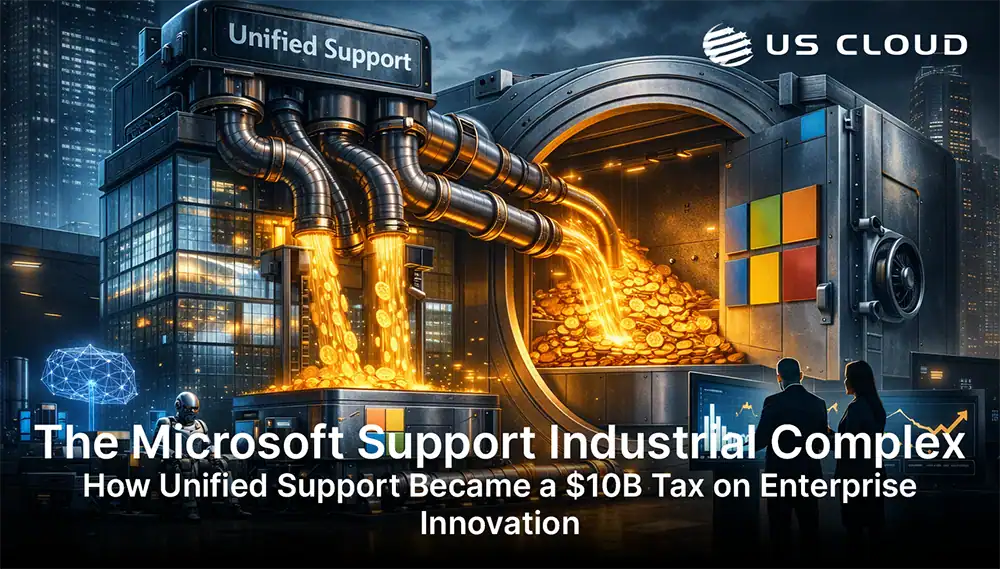
The Microsoft Support Industrial Complex: How Unified Support Became a $10B Tax on Enterprise Innovation
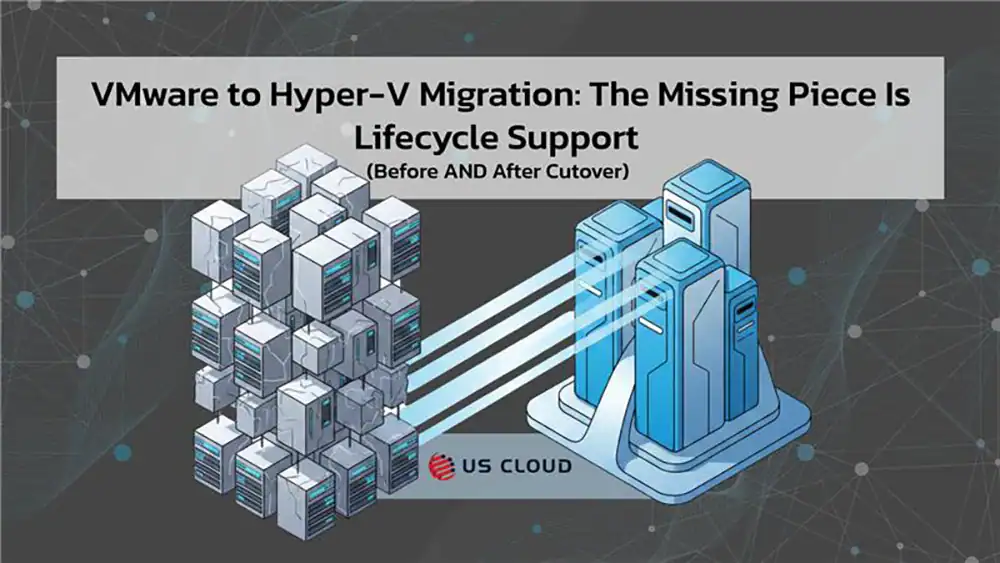
VMware to Hyper-V Migration Missing Piece: Lifecycle Support